How to Pick the Right General Contractor for Your Next Home Project
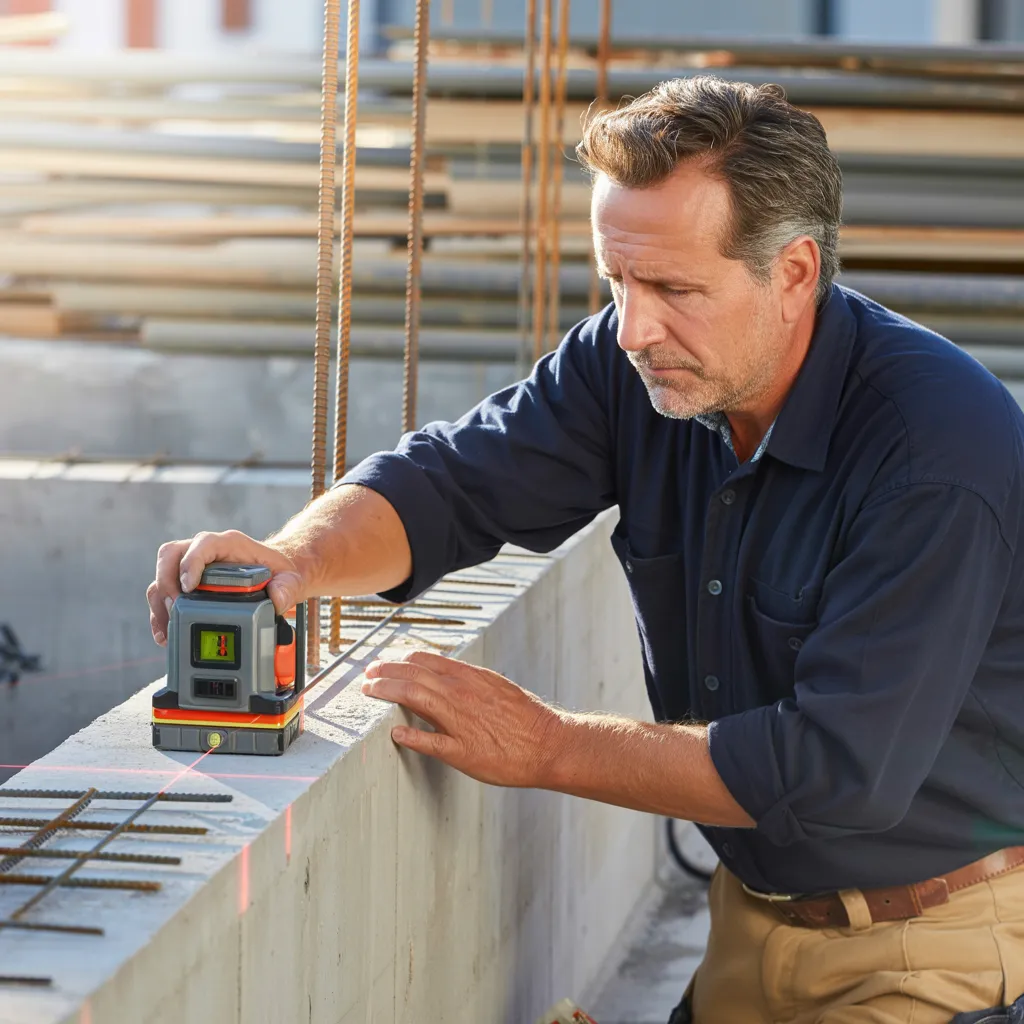
Determining the best construction partner for a residential undertaking is an important determination. This requires thorough analysis of various factors, incorporating experience, certifications, and communication abilities. Many property owners disregard key considerations, causing expensive errors. Understanding how to appraise potential professionals can make considerable difference. By stressing essential criteria and asking the right inquiries, you can progress through this multifaceted process far more effectively. What are the critical measures to confirm a rewarding partnership?
How to Steer Clear Of Regular Problems When Picking a Contractor
When choosing a builder, how can one handle the variety of alternatives without succumbing to usual errors? Prospective clients commonly overlook crucial elements that can cause poor experiences. First, relying solely on price can be misleading; the lowest price may indicate inferior workmanship or unseen fees. Additionally, not reviewing testimonials or internet ratings can lead to employing an untrustworthy builder. It is also necessary to avoid selecting solely by personality; a friendly professional may not demonstrate required skills or trustworthiness. Moreover, overlooking clear communication and requirements can bring about misinterpretations and dissatisfaction. Finally, not reviewing contracts thoroughly before signing can bring about unanticipated duties or weak protections. By being alert and aware, homeowners can make smarter decisions, ultimately leading to a successful project.
Things to Evaluate in a Contractor's Track Record
When analyzing a contractor experience, many important considerations become relevant. Relevant project experience, technical certifications, and an extensive range of completed work demonstrate vital signs of their strengths. Assessing these features can yield valuable insights into the contractor suitability for the specific project at hand.
Relevant Project Experience
Comprehending a contractor's relevant project experience is crucial for ensuring the success of any construction project. Potential clients should evaluate the contractor's portfolio, focusing on completed projects comparable in scope and style to their own. This entails reviewing the caliber of craftsmanship, adherence to timelines, and budget management in prior undertakings. Additionally, it is advantageous to inquire about the types of substances used and the contractor's familiarity with local building codes and regulations. Testimonials and references from former clients can provide insights into the contractor's dependability and interpersonal abilities. Ultimately, a contractor with considerable relevant experience can address obstacles effectively, ensuring the project satisfies the homeowner's expectations and standards.
Sector Qualifications And Authorizations
Certification and permit requirements serve as essential indicators of a contractor's professionalism and expertise in the construction industry. When selecting a general contractor, it is crucial to confirm that they have the necessary licenses mandated by local and state regulations. These licenses demonstrate compliance with building codes and safety standards. Additionally, industry certifications, such as those from the National Association of Home Builders or similar organizations, indicate a contractor's dedication to quality and ongoing education. Contractors with specialized certifications may also have skills in specific areas, such as green building or remodeling. Ensuring that a contractor has the appropriate credentials not just enhances confidence in their capabilities but also reduces potential legal and financial risks during the project.
Portfolio Of Completed Work
A service provider's portfolio containing finished work functions as an essential asset for measuring their experience and competencies. This compilation needs to showcase a range of projects that express versatility in different styles and levels of difficulty. When analyzing a portfolio, potential clients ought to search for high-quality photos that accurately show the quality involved. It is also important to find projects that fit the homeowner's specific needs or aesthetic preferences. Attention to detail, original strategies, and adherence to schedules are vital markers of a contractor’s skill. Additionally, client reviews or case studies featured in the portfolio can offer additional understanding of the contractor's work ethic and dependability. Ultimately, a strong portfolio can assist homeowners in making well-informed choices about their future projects.
How to validate Your Contractor's Credentials and Permits
It is crucial to verify a general contractor's qualifications and certifications before enlisting their services, confirming they satisfy industry standards. Check with regional licensing authorities to ensure the contractor holds the proper documentation needed for your area and project type. Understanding that each state has its own standards can avoid future complications.
In addition, question about insurance plans, including liability and workers' compensation, to ensure protection against potential accidents or damages. Collect references from past clients and verify to evaluate satisfaction and consistency.
In conclusion, evaluate any certifications the contractor may possess, as these often indicate specialized training and adherence to industry best practices. A careful review process not only confirms compliance but also instills confidence in the contractor's ability to accomplish the project successfully.
Why Dialogue Is Essential in Your Service Provider Partnership
Communication that is effective serves an important role in the contractor-client relationship, shaping the project's achievement from the start. Clear conversation defines expectations, timelines, and budgets, making certain both parties are aligned on the project's goals. When clients convey their vision effectively, contractors can provide informed recommendations and solutions, enhancing the overall result.
Periodic updates and accessible lines of communication support efficient resolution of issues as they arise, reducing foreseeable setbacks. Also, a partner who receives and responds to client feedback fosters trust, which is essential for collaboration.
In addition, effective interaction assists with addressing modifications and surprise obstacles, keeping the initiative on schedule. It allows the builder to adjust approaches based on client input, ensuring approval throughout the engagement. Finally, emphasizing dialogue not only solidifies the professional-homeowner bond but also greatly supports the timely completion of the home project.
Key Questions to Raise to Your Service Provider in Opening Meetings
In early meetings with a contractor, clients should prioritize understanding their expertise and qualifications. It's essential to inquire about the project timeline and budget to ensure alignment with the client's expectations. These questions establish a foundation for a successful partnership and effective project management.
Background and Qualifications
Deciding on a lead contractor rests on understanding their professional history and aptitude. Homeowners should question the contractor's experience duration and the nature of projects they have completed. Important questions about legal permissions, validations, and insurance are necessary, as these guarantee adherence to local codes and protect throughout the project timeline. In addition, examining past assignments through portfolios or contacts can deliver understanding into the contractor's workmanship and reliability. It is also advantageous to ask about their familiarity with related works, as this can signal their capability to handle specific challenges. Ultimately, analyzing a contractor's experience and qualifications fosters confidence and helps homeowners make informed decisions about their home projects.
Project Roadmap and Resource Allocation
How can homeowners guarantee their undertaking remains on budget track and temporally when consulting with a construction contractor? To maintain alignment, they should ask significant questions during first consultations. Homeowners see the details must ask regarding the estimated timeline for project completion and any potential delays that could occur. Understanding the contractor's method to schedule management is essential. Additionally, discussing the budget upfront is important; homeowners should seek clarity on pricing estimates, payment plans, and any built-in contingency funds for unforeseen expenses. Asking about previous projects can provide insight into the contractor's reliability in meeting deadlines and maintaining budget constraints. By creating open dialogue regarding timelines and finances, homeowners can cultivate a collaborative partnership with their contractor, enhancing the probability of a successful project.
Tips for Checking References and Reading Reviews
What procedures should one take to guarantee a general contractor is reliable? First, it is essential to request a list of contacts from potential contractors. A reputable contractor will readily provide names and contact information of previous clients. One should reach out to these references to learn about their experiences, focusing on aspects such as dialogue, work quality, and schedule compliance.
Moreover, checking online testimonials on channels like Google, Yelp, or Angie's List can furnish significant information. It is necessary to examine consistencies in the reviews—repeated positive or negative remarks can show reliability or warning signs.
Additionally, examining for any complaints submitted with local regulatory bodies or consumer protection organizations can uncover a contractor's history. Finally, requesting current project photographs can support the assessment of the quality of their labor. By adopting this approach, one can make a more well-informed decision when selecting a general building contractor.
Grasping Contractor Cost Structure and Settlement Terms
Homeowners should also acquaint themselves with regular payment terms. Most contractors require a initial payment, accompanied by progress payments based on construction phases. It's important to go over these terms before signing a contract to dodge disagreements. Additionally, homeowners should question about potential additional costs, such as filing fees or unforeseen issues. Open exchange about rates and payment conditions will build a forthright operational partnership, ultimately bringing about a positive project completion. Mastering these elements enables homeowners the power to choose effectively when selecting a general contractor.
Often Posed Questions
How considerable duration will it need to complete the project?
The project duration generally fluctuates based on the level of complexity and project scope. Typically, it may take several weeks to months. Elements including climate conditions, the availability of materials, and labor resources can greatly influence the completion timeline.
What Happens if Unforeseen Issues Arise During Project Work?
If unexpected issues emerge during construction, the builder typically assesses the situation, discusses with the property owner, and proposes solutions. Modifications to the timeline and costs may be required, ensuring openness throughout the project.
Will My Project Demand Permits or Inspections?
The majority of projects need inspections and permits to guarantee compliance with local building codes. It is important to speak with a general contractor who grasps these mandates, as they can navigate the permitting process skillfully.
How Are Subcontractors and Their Payments Handled By You?
A trustworthy construction manager manages subcontractors by creating clear contracts detailing payment terms. They ensure timely payments, keep open communication, and monitor sub-contractor productivity, promoting a cooperative setting that contributes to project success and efficiency.
What Is Your Policy on Project Changes or Upgrades?
A versatile methodology to project changes is maintained by the contractor, requiring written documentation for any enhancements. They promise open dialogue, examine budget impacts, and adjust timelines as needed to support the customer's evolving needs and preferences.